Have you ever saw spots on your ceiling or an unexpected drop in your home's air quality? Ceiling water damage can originate from numerous surprise issues, like dripping pipes or roofing system issues. It's vital to deal with these issues without delay to stay clear of costly repairs and health and wellness dangers. However what steps should you require to repair the damages and stop it from occurring once again? Let's check out the causes, options, and preventative steps you can implement.
What Causes Ceiling Water Damage?
Ceiling water damage commonly occurs when pipelines leakage or roofings stop working, so it's vital to attend to these issues quickly. A common culprit is plumbing troubles, where used or broken pipelines can bring about unwanted leakages that leak into your ceiling.
Additionally, roof covering leaks caused by missing tiles or bad installment can permit rain to penetrate your home. Condensation from inadequately insulated ducts or heating and cooling systems can likewise add, creating moisture buildup that harms your ceiling over time.
Also overflow from tubs or sinks can flow down, developing stains and architectural problems. Recognizing these causes early can save you from pricey repair services and additional damage, so keep an eye on your home's plumbing and roof covering problems.
Just How to Take Care Of Water-Damaged Ceilings
When you observe water damages on your ceiling, it's vital to act swiftly to stop further concerns.
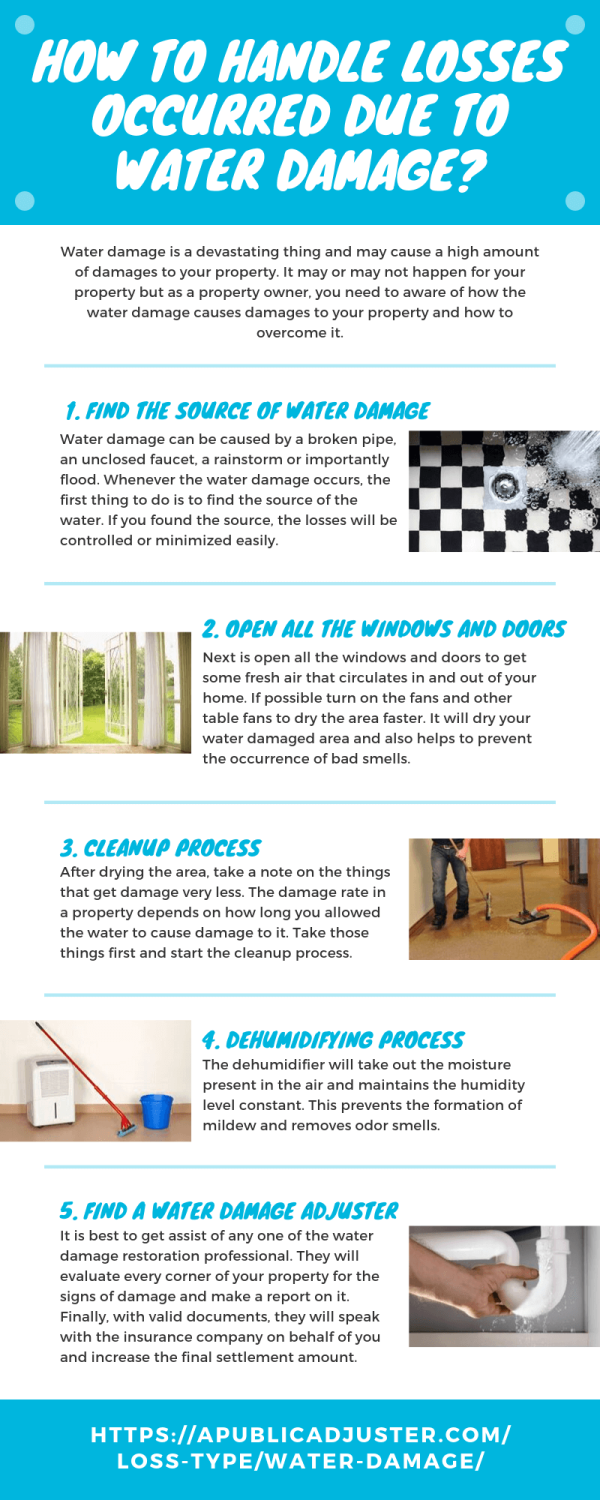
Initially, determine the resource of the leakage and fix it-- whether it's a pipeline, roofing system, or another issue.
Next off, remove sanitization of damaged products. If the ceiling is tarnished yet structurally sound, you can cleanse it with a combination of water and moderate detergent.
For more substantial damages, you may need to change drywall or plaster. Eliminate the afflicted location, set up new material, and tape the seams.
When whatever's completely dry, sand the surface area, apply primer, and paint to match the remainder of your ceiling.
Constantly use protective equipment and take into consideration speaking with an expert if the damage is comprehensive.
Just How to Prevent Future Ceiling Water Damage?
To keep future water damages at bay, frequently evaluate your roof covering and plumbing for leakages or put on. Check for missing shingles, splits, or signs of rust around pipes. If you find any problems, fix them right away to prevent bigger problems down the line.
Make certain rain gutters are tidy and operating properly, routing water away from your home's foundation. Inside, keep track of humidity degrees; use dehumidifiers in wet areas to minimize moisture.
Think about installing water leak detectors near potential problem places for very early alerts. Ultimately, preserve your home's exterior paint and sealants to protect versus water infiltration.
Conclusion
Finally, dealing with ceiling water damage swiftly is vital to prevent further issues. By identifying hazmat cleaner of the leak and repairing it, you can minimize damage properly. Bear in mind to remove any kind of afflicted products and paint the surface for a fresh look. Regular examinations and maintenance will help you avoid future problems. By staying proactive, you'll not just protect your home but also make certain a much healthier living setting for you and your family members.